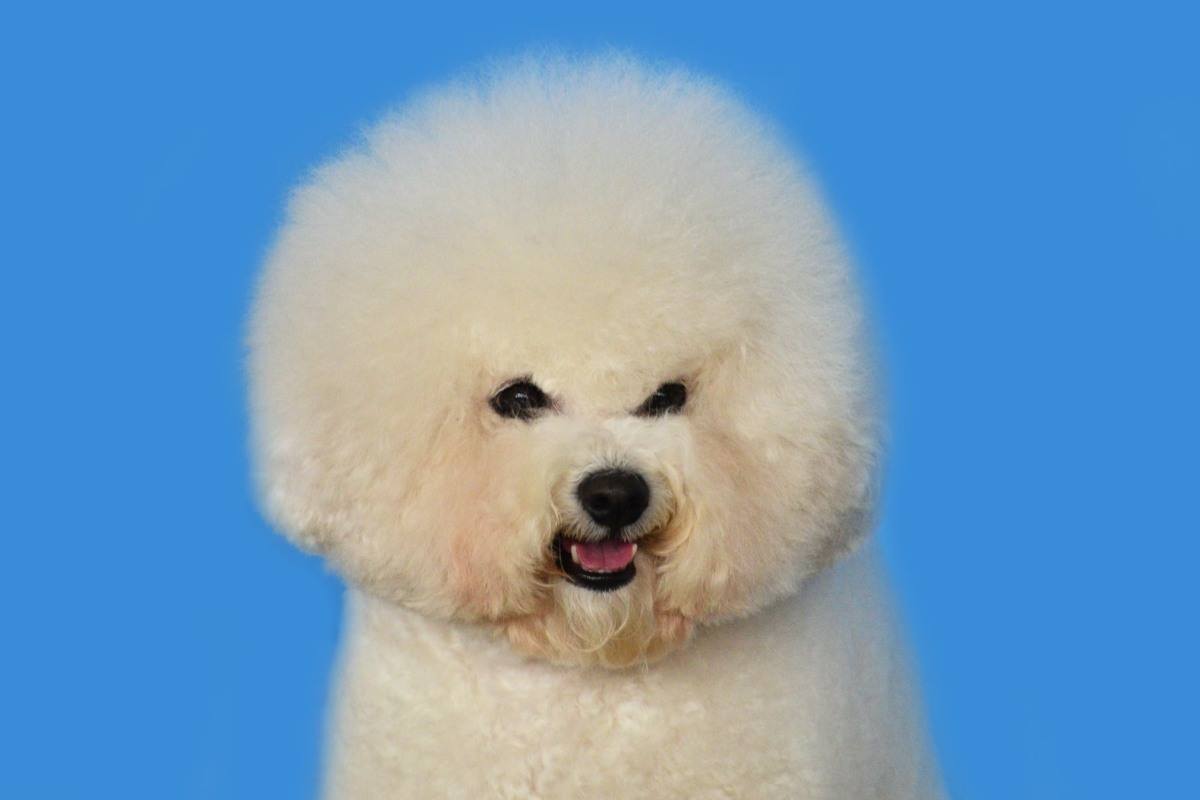
Now, if you’ve been paying any attention to us at all, you’ll know we love a round boy (and girl). And when it comes to round breeds, one stands supreme–the bichon frise (pronounced BEE-shawn FREE-say). In recent years, they’ve become increasingly popular, especially online where their enviable haircuts regularly go viral. So it feels a good time to give the breed its own moment in the spotlight.
Popularity on Instagram aside, these guys are so cute and fluff you’d be forgiven for mistaking them for a soft toy. But it’s not just their little black noses and powder-puff coats that have us picturing a plush animal, their personality is equally dreamy. In fact, they’re so loving and chill they literally inspired the French word bichonner, which means, “to pamper”. To be fair, how could you not?
History of the Bichon Frise
Despite now being the current kings and queens of Instagram, these guys have a history stretching back to the Middle Ages (if not before). While they’re often being thought of as a French breed, the bichon frise may have originated in the Canary Islands or the Mediterranean, with sailors bringing them back to Europe as pets in the 14th century.
However they got there, their sweet personalities and great looks quickly made them popular with European nobility. They were common sights in the English, French, and Spanish courts and often featured in royal portraits by famous artists like Goya.
But by the turn of the 18th century their footing as a high-end fashion accessory started to slip, and they became more popular with regular (not royal) people. Being very smart, good at picking up tricks, and happy around crowds, many were used as circus dogs.
Things picked up again in the years after the First World War when American servicemen took a liking to them when serving in France, causing breeding to pick up and some dogs even returning home with them.
Bichon Frise Appearance
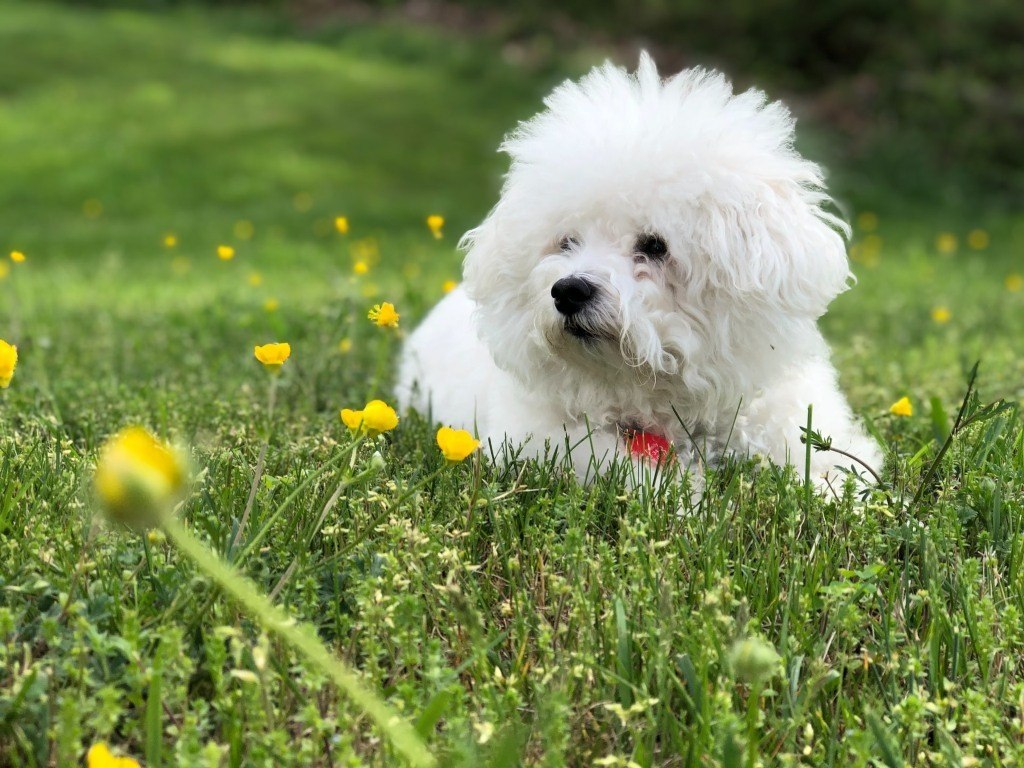
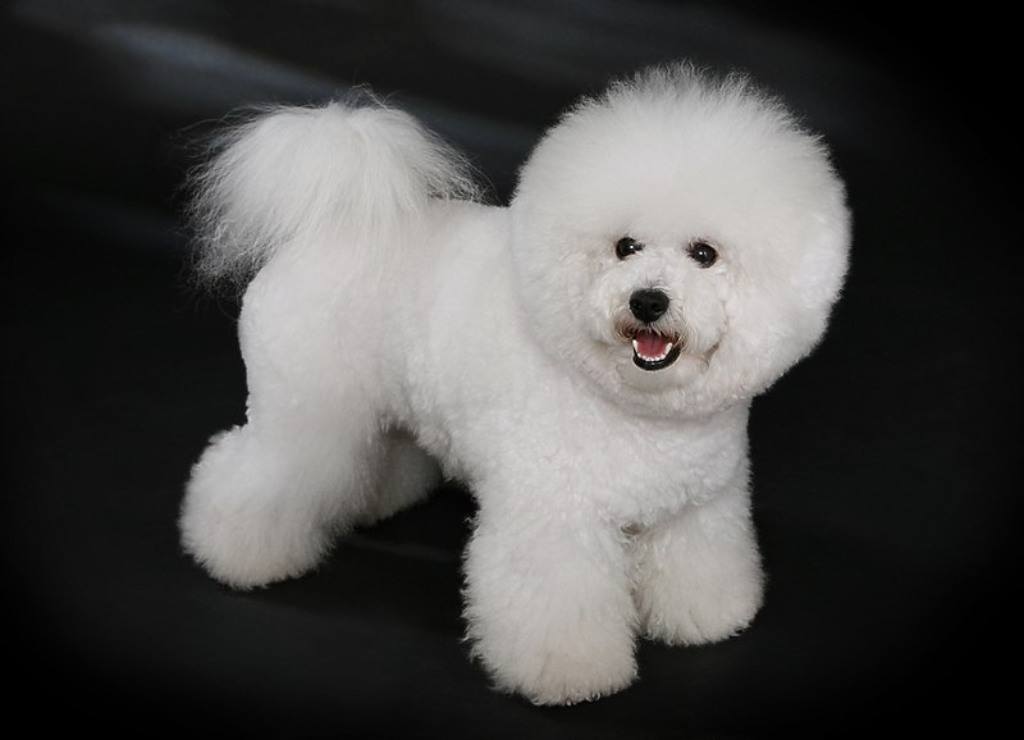
Being a toy breed, they tend to weigh in between three to six kilograms. With that famous coat coming in white, buff, cream, apricot, and gray.
Life Expectancy
Around 12 to 15 years.
What You’ll Love about a Bichon Frise
Low maintenance personality: The bichon frise is a great all-rounder, one-stop dog. They’re loving, quiet, enthusiastic, easy-going, fun, kid and pet-friendly, trainable, and only require moderate exercise. They’d fit in with most families
Smart: As their circus history suggests they’re quick to train and pick up tricks. They also love being the centre of attention.
Loving: Yes, we’re repeating ourselves but we want to stress this. They’re seriously so sweet and affectionate with family, friends, strangers, kids, and other dogs.
What You Might Find “Challenging”
High maintenance coat: Their fur is as fussy as they are laid back. So they need regular bathing, and should be taken to a professional groomer every few months. On the upside, the barely shed, are hypoallergenic, and don’t really drool.
Not very independent: A bichon frise tends to love their families so much they struggle to be separated. So they’re not a great breed if you spend a lot of time away from home and can’t take them with you.
Common Health Issues for a Bichon Frise
Patella luxation and hip dysplasia: Like many small dogs they can have issues with their joints dislocating.
Sensitivities: Many bichon frise experience watery eyes and have skin sensitivities–especially to fleabites and food allergies. Their floppy ears can also be prone to infections if they’re not regularly cleaned and dried fully.
But in general, they’re a pretty healthy breed.
Instafamous Bichon Frises
Thinking about adding a dog to your life? Check out our other Breed Profiles while you’re here.
While you’re here, subscribe to our newsletter, check out our magazine, and follow us on Instagram, Facebook, and Twitter.